Boston Travel FAQ: Most Asked Questions Answered
Planning a trip to Boston? This Boston travel FAQ answers the questions travelers ask most about when to visit, how long to stay, getting around, what to see, and how to experience the city without overspending. Boston is compact, historic, and highly walkable, making it an excellent destination for weekend getaways, family vacations, college visits, and longer New England adventures.
From walking the Freedom Trail to exploring Fenway Park and enjoying the waterfront, there is a lot to fit into one trip. Knowing a few essentials before you arrive can make your Boston vacation easier, more affordable, and more enjoyable.
Is Boston Worth Visiting?
Yes. Boston is worth visiting for its combination of American history, walkable neighborhoods, museums, universities, sports, waterfront attractions, and distinctive local culture.
Few American cities combine centuries of history with a modern urban experience quite like Boston.
Visitors can walk past Revolutionary-era landmarks in the morning, explore world-class museums in the afternoon, and finish the day with dinner in the North End or a baseball game at Fenway Park.
Boston is particularly appealing to:
- History enthusiasts
- Families
- Couples planning weekend getaways
- College and university visitors
- Sports fans
- Museum lovers
- Food-focused travelers
- Visitors exploring New England
Because many attractions are relatively close together, Boston also works well for travelers who only have a few days to explore.
When Is the Best Time to Visit Boston?
For many travelers, late spring and early fall are among the best times to visit Boston because temperatures are generally comfortable for walking and sightseeing.
Spring in Boston
Spring brings warmer temperatures, blooming parks, and more opportunities to explore outdoors. It can be an excellent season for walking the Freedom Trail, visiting Boston Common, or exploring Cambridge.
Keep in mind that university graduations can create increased demand for accommodations during parts of May.
Summer in Boston
Summer is popular for:
- Harbor cruises
- Outdoor dining
- Walking tours
- Baseball games
- Waterfront activities
- Family vacations
It is also a busy travel season, so reserving accommodations early can be helpful.
Fall in Boston
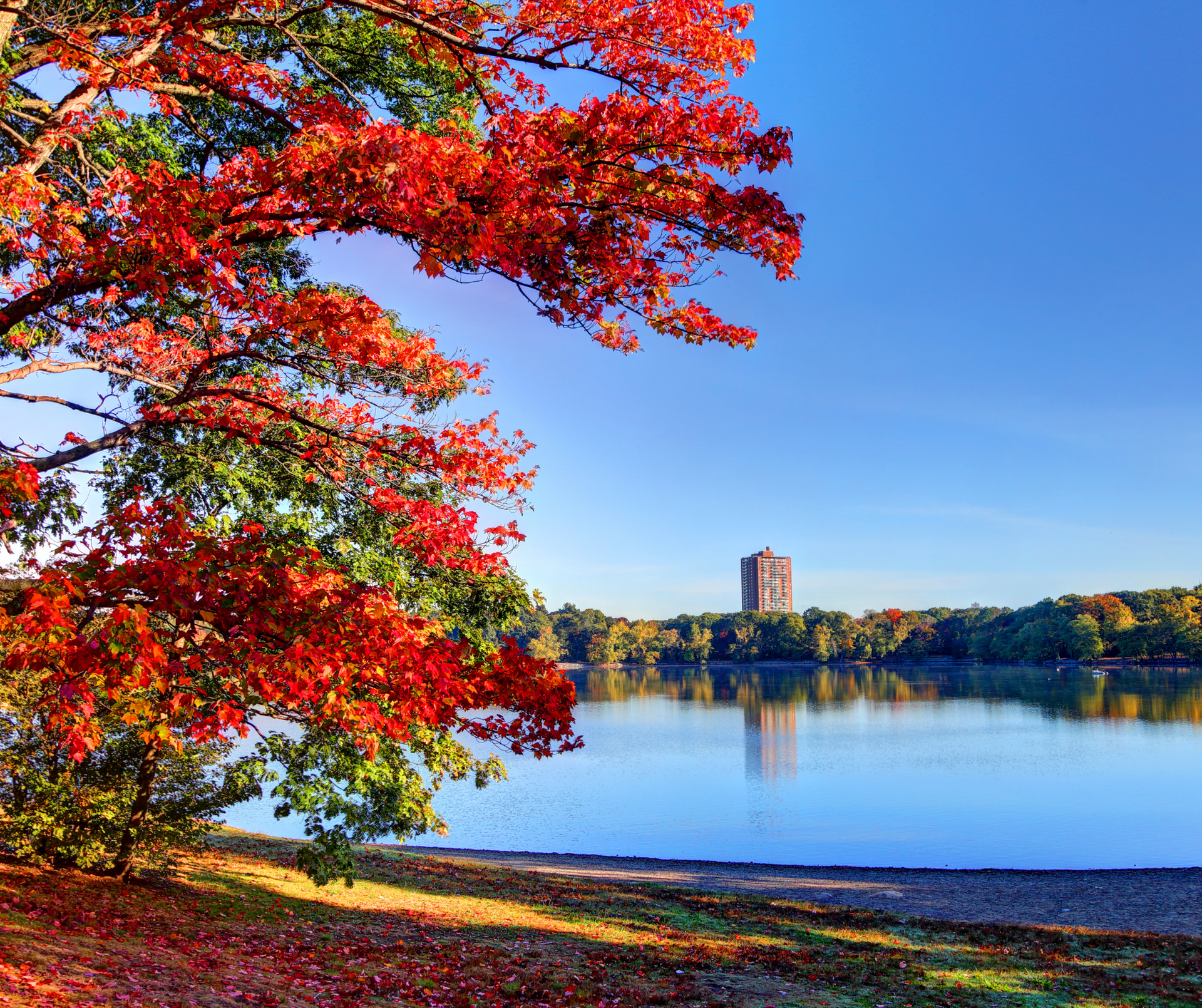
Fall is especially appealing for visitors who want comfortable sightseeing weather and classic New England scenery.
September and October can be excellent months for combining a Boston city break with a longer fall trip through Massachusetts or New England.
Winter in Boston
Winter is colder and snow is possible, but visitors can spend more time exploring museums, restaurants, historic buildings, and indoor attractions.
Always check the weather forecast shortly before your trip, especially during winter.
How Many Days Do You Need in Boston?
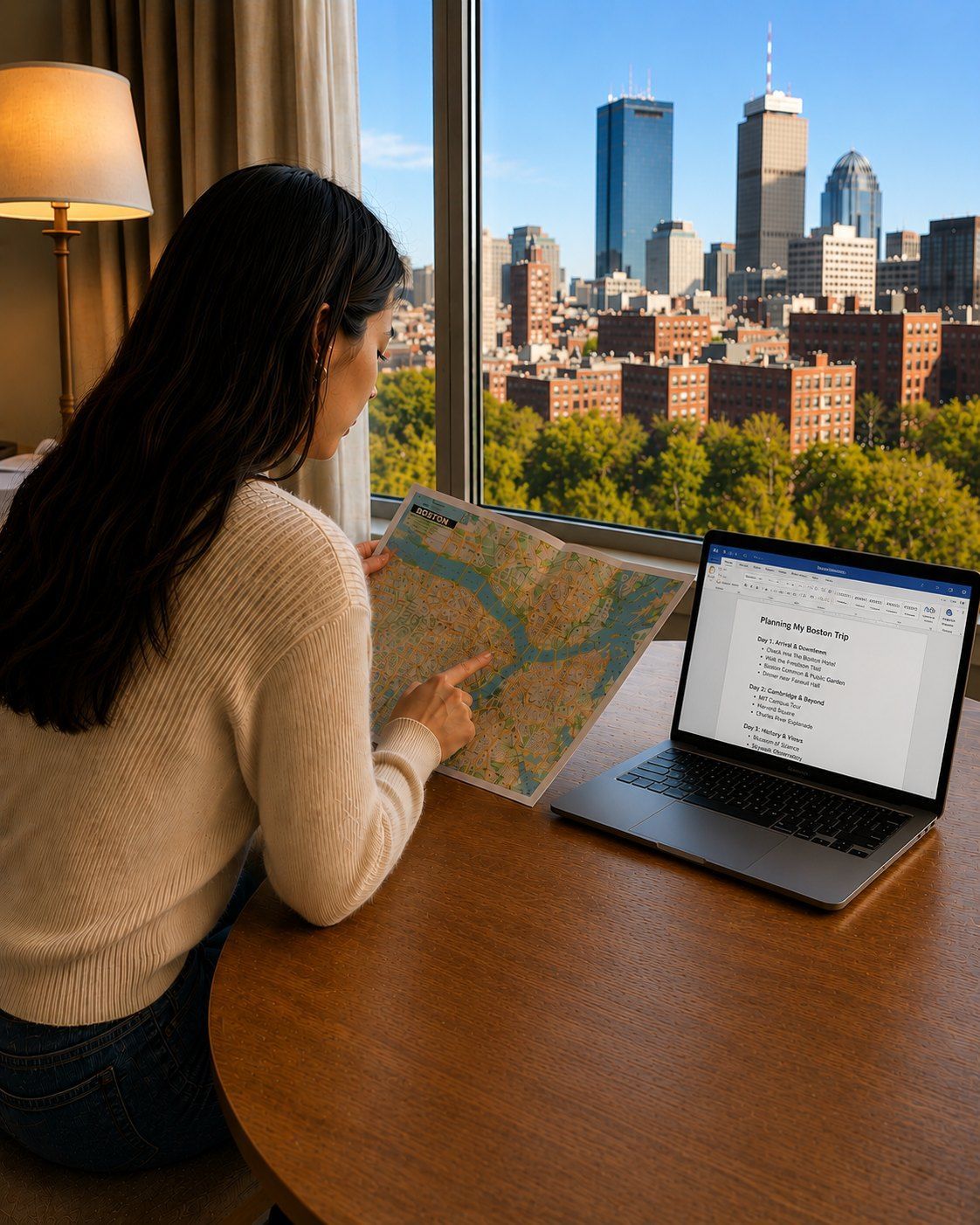
Three days is a good starting point for a first visit to Boston. It gives you enough time to see major historic attractions while also experiencing some of the city's neighborhoods, museums, food, and waterfront areas.
For example:
Day 1: Step Into Boston's History
Start your Boston adventure at Boston Common, then follow the Freedom Trail through some of the city's most important historic landmarks. Stop at Faneuil Hall before continuing to the North End, where you can end the day exploring historic streets and enjoying dinner at one of the neighborhood's many restaurants.
Day 2: Art, Architecture, and Back Bay
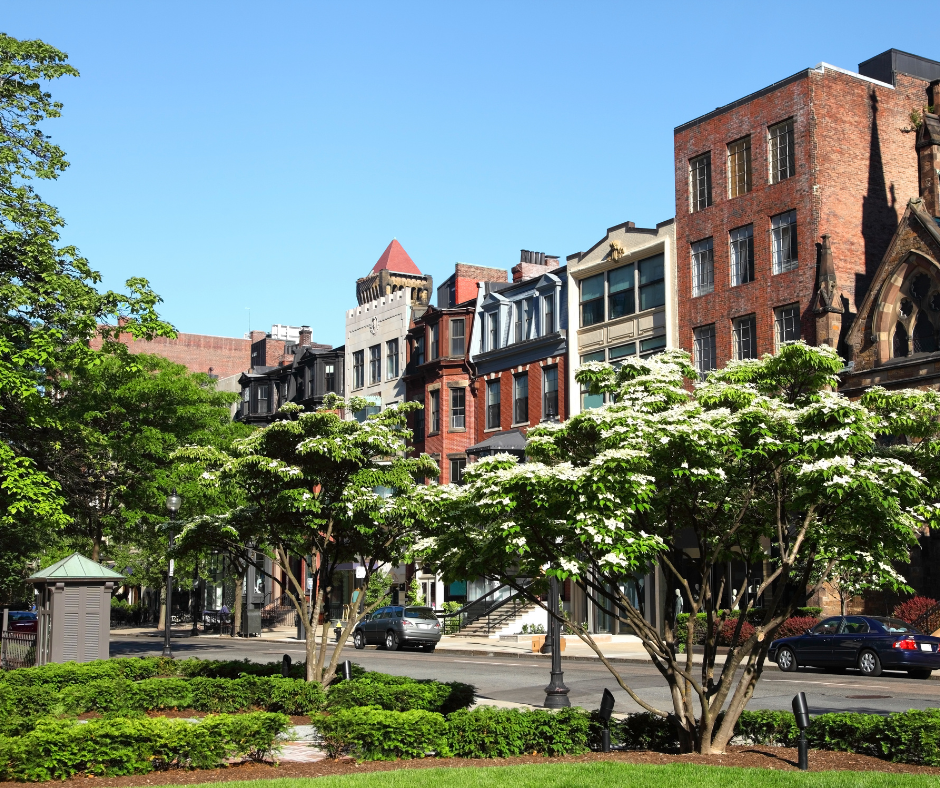
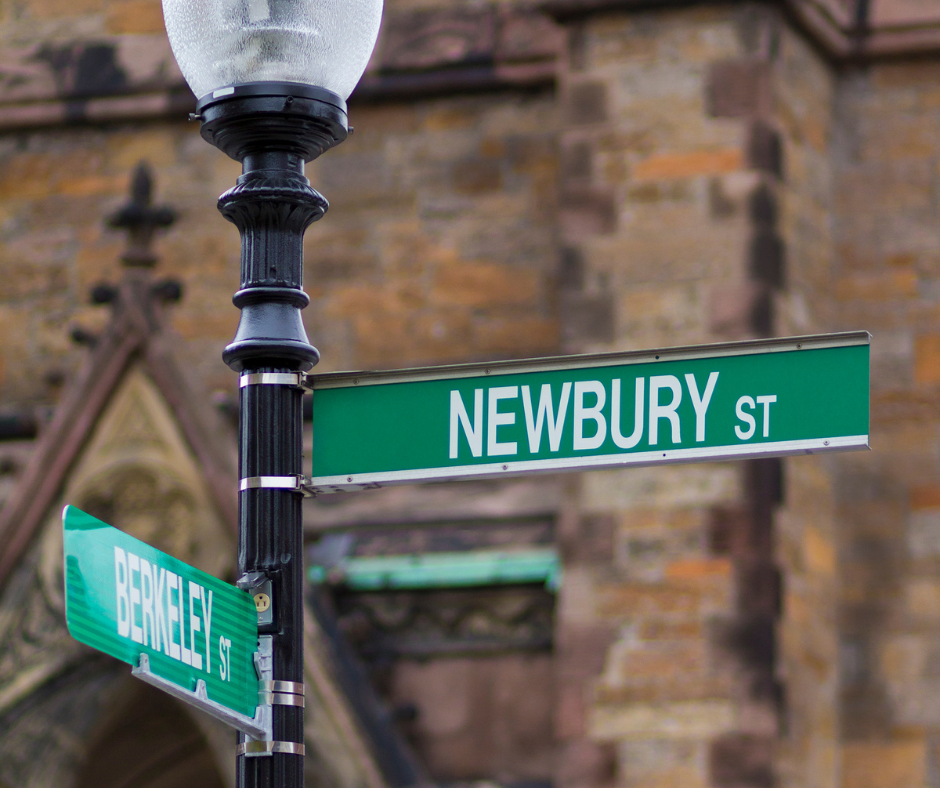
Spend your second day exploring Boston's cultural side. Begin at the Museum of Fine Arts, then make your way toward Back Bay. Walk through Copley Square, admire the neighborhood's architecture, and finish with a stroll along Newbury Street, known for its shops, cafés, and restaurants.
Day 3: Fenway, the Charles River, and Cambridge
Start your final day around Fenway Park, one of Boston's most recognizable landmarks. From there, enjoy views along the Charles River before crossing into Cambridge. Spend the afternoon exploring Harvard Square or the MIT area, where historic academic traditions meet modern innovation.
If you only have a weekend, focus on the attractions that matter most to you rather than trying to see everything.
Can You Visit Boston Without a Car?
Yes. Boston is one of the easiest major U.S. cities to explore without a car.
Many central attractions are accessible on foot, while the Massachusetts Bay Transportation Authority (MBTA) operates subway, bus, commuter rail, and ferry services throughout the region.
Visitors can combine:
- Walking for downtown neighborhoods and historic attractions
- MBTA subway service for longer trips
- Buses for areas outside subway routes
- Rideshare or taxis when convenient
- Bluebikes for short bike trips
Avoiding a rental car can also eliminate the need to navigate unfamiliar streets and search for parking.
Before traveling, check current MBTA schedules, fares, and service alerts.
What Are the Must-See Attractions in Boston?
The best Boston attractions depend on your interests, but several destinations consistently belong on a first-time visitor's itinerary.
Freedom Trail
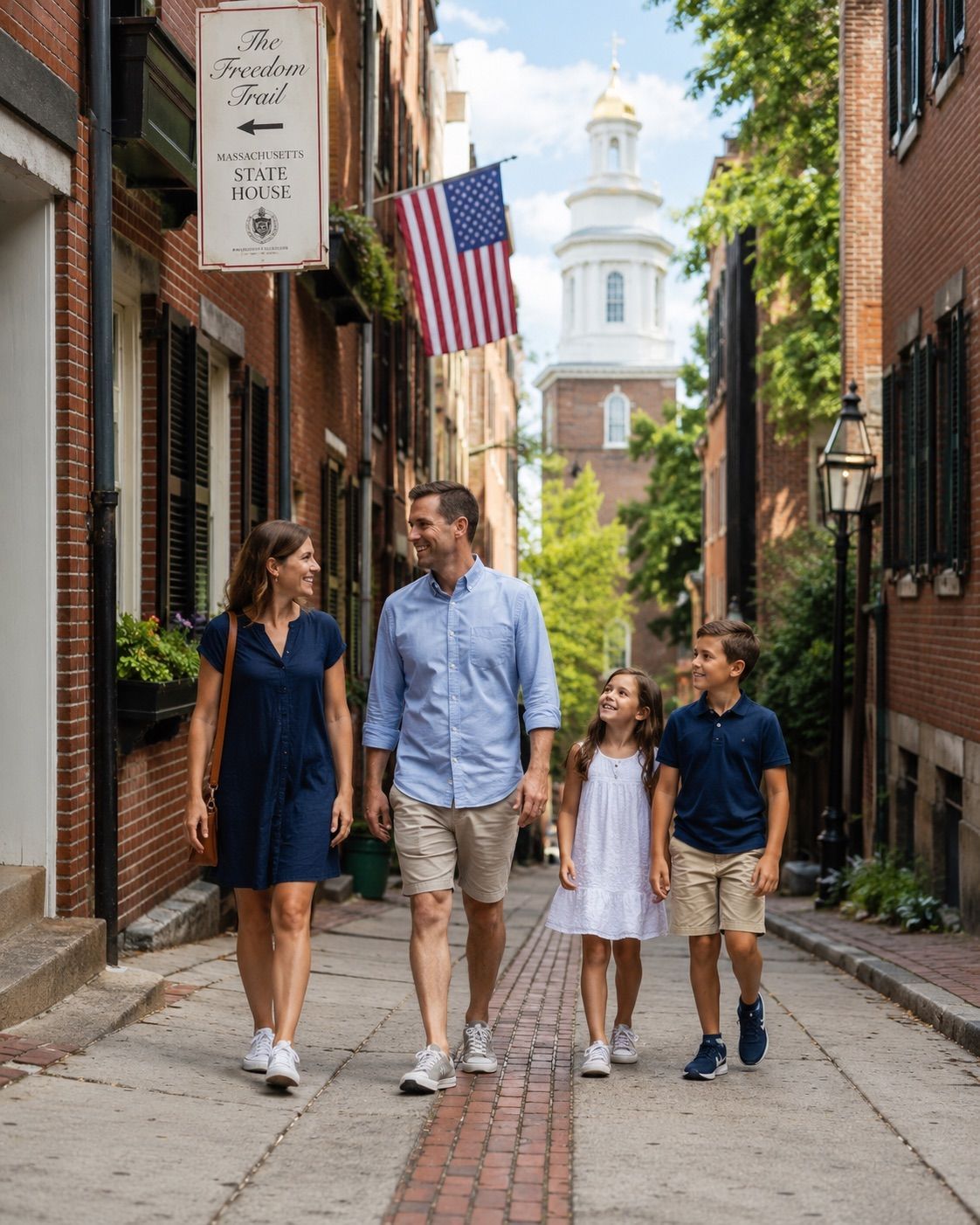
The Freedom Trail is a 2.5-mile route connecting historically significant sites associated with Boston and the American Revolution.
Highlights include:
- Boston Common
- Massachusetts State House
- Granary Burying Ground
- Old State House
- Faneuil Hall
- Paul Revere House
- Old North Church
- USS Constitution
- Bunker Hill Monument
Fenway Park
Home of the Boston Red Sox, Fenway Park is an iconic destination for sports fans. Depending on your travel dates, consider attending a game or checking available ballpark tours.
Boston Common and Public Garden
These neighboring green spaces provide an easy escape from busy city streets and are conveniently located near Beacon Hill and Back Bay.
Boston Harbor
Boston's waterfront offers opportunities for sightseeing cruises, seasonal whale-watching trips, waterfront walks, and dining.
Cambridge
Cross the Charles River to explore Cambridge, including areas around Harvard University and MIT. Harvard Square, Kendall Square, museums, restaurants, bookstores, and public spaces can easily fill part of a day.
For more local ideas, explore The Boston Hotel Blog
Is Boston an Expensive City to Visit?
Boston can be expensive, particularly when it comes to accommodations and dining, but travelers can reduce costs with careful planning.
Some of the best ways to save include:
- Reserve accommodations early.
- Use public transportation instead of relying exclusively on taxis or rideshares.
- Walk between nearby attractions.
- Mix paid attractions with free activities.
- Check museums for current discount or free-admission programs.
- Look for casual restaurants away from the busiest tourist areas.
- Travel outside major event and graduation weekends when possible.
Enjoy Boston's Free Attractions
Some memorable Boston experiences don't require a large sightseeing budget.
You can walk through historic neighborhoods, enjoy Boston Common and the Boston Public Garden, explore sections of the Freedom Trail, walk along the Charles River, or spend time discovering Cambridge.
A simple strategy is to choose one paid attraction per day and build the rest of your itinerary around free or inexpensive activities.
What Should First-Time Visitors Know About Boston?
Boston is relatively compact, but planning your itinerary by neighborhood can save considerable time.
Instead of crossing the city repeatedly, group nearby attractions together.
For example:
- Beacon Hill + Downtown: Boston Common, State House, Freedom Trail
- North End + Waterfront: Paul Revere House, Old North Church, harbor area
- Back Bay + Fenway: Copley Square, Newbury Street, Fenway Park, Museum of Fine Arts
- Cambridge: MIT, Kendall Square, Harvard Square
Comfortable shoes are also important. Boston is best experienced on foot, and historic areas may include brick sidewalks and uneven surfaces.
Where Should You Stay When Visiting Boston?
Choosing the right hotel can make your Boston trip more comfortable and budget-friendly. While downtown hotels put you close to major attractions, staying outside the busiest areas can offer better value while keeping Boston's top destinations within reach.
The Boston Hotel is a great option for travelers looking for comfortable accommodations and convenient access to Boston and Cambridge. Whether you're exploring the Freedom Trail, visiting Fenway Park, or touring local universities, it provides a welcoming home base for your trip.
When choosing where to stay, consider:
- Value for your budget
- Access to public transportation
- Convenience to major attractions
- Comfort and hotel amenities
For travelers who want to explore Boston without paying premium downtown prices, The Boston Hotel offers a practical combination of comfort, convenience, and value.
Boston Travel FAQ: Quick Answers for Visitors
What is Boston most famous for?
Boston is especially famous for its role in the American Revolution, the Freedom Trail, Fenway Park, prestigious universities, historic neighborhoods, museums, and New England culture. Its combination of history and modern city attractions makes it a popular destination for both domestic and international travelers.
Is Boston a walkable city?
Yes. Boston is highly walkable, particularly in central neighborhoods. Attractions around Downtown, Beacon Hill, Back Bay, the North End, and the waterfront can often be combined into walking itineraries. Public transportation is useful when traveling farther.
How many days should a first-time visitor spend in Boston?
Three days is a practical amount of time for a first Boston trip. Two days can cover the highlights, while four or five days provide more time for museums, Cambridge, neighborhoods, sporting events, and slower-paced sightseeing.
Do tourists need a rental car in Boston?
Most visitors do not need a rental car for a Boston-focused vacation. Walking and MBTA public transportation can cover many popular destinations. A car becomes more useful if your itinerary includes destinations outside the city or a larger New England road trip.
What are the best free things to do in Boston?
Popular free or low-cost experiences include exploring Boston Common, walking through historic neighborhoods, following portions of the Freedom Trail, visiting the waterfront, walking along the Charles River, and exploring university areas in Cambridge. Always check individual attractions for current admission requirements.
Boston combines American history, walkable neighborhoods, museums, universities, sports, dining, and waterfront experiences in one compact destination. For first-time visitors, three days provides a good introduction, while walking and public transportation make exploring without a car practical. Use this Boston travel FAQ as a starting point, then explore The Boston Hotel Blog for more detailed local guides and trip-planning ideas.
Plan Your Boston Adventure
Now that your biggest Boston travel questions are answered, it's time to start planning your visit. From walking the Freedom Trail and exploring Cambridge to discovering local restaurants, museums, and iconic neighborhoods, Boston has something memorable waiting around every corner.
Make The Boston Hotel your comfortable home base while you explore the city. And before you arrive, visit The Boston Hotel Blog for more local travel tips, neighborhood guides, dining recommendations, and ideas to help you make the most of every day in Boston.
📍 40 Mt Hood Rd, Boston, MA
📞
(617) 383-5876
Ready to visit Boston?
Book your stay today!